What to do when you're lost
Stop, think, observe, plan. The first minutes after you realise you are lost decide most of what follows.
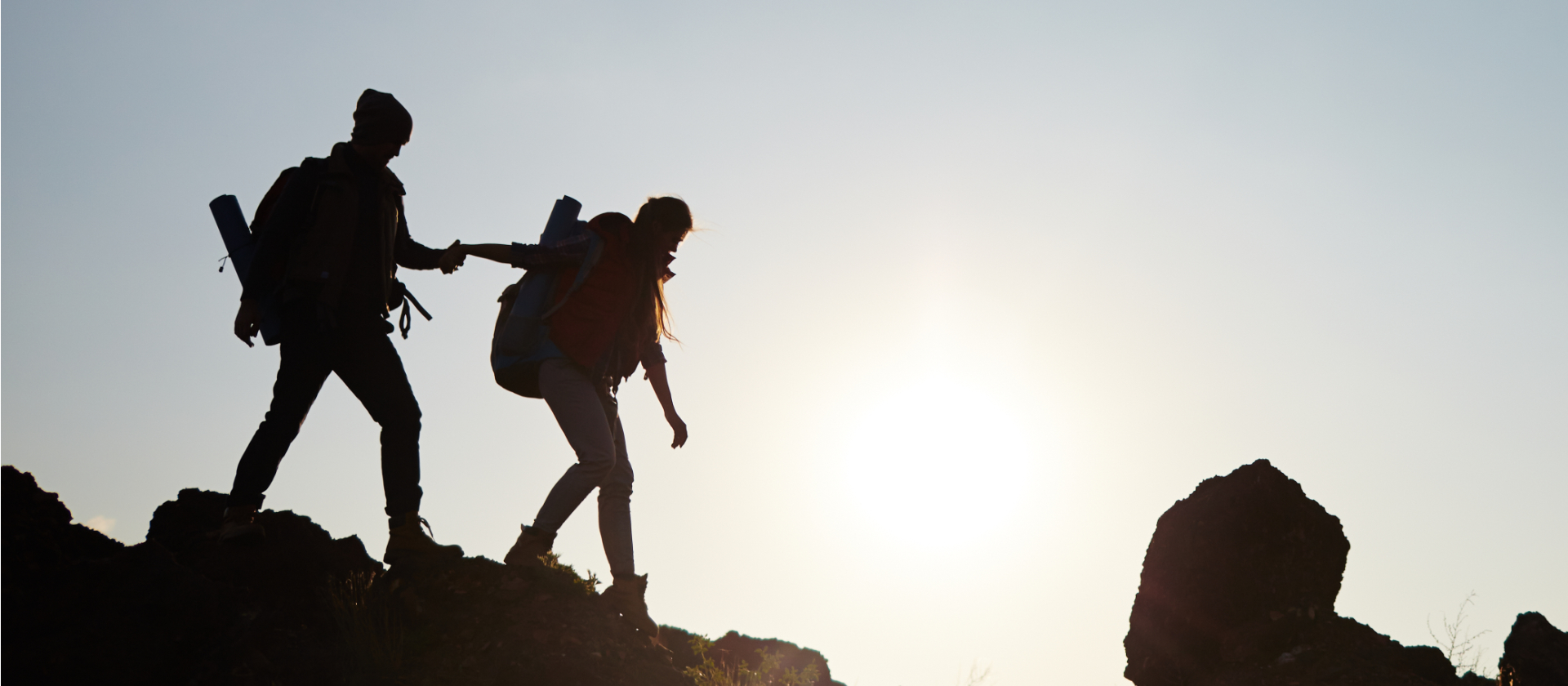
Getting lost usually starts small: a missed junction, a path that fades, fog that rolls in. What turns it into an emergency is pushing on in a hurry. Slow down.
S.T.O.P.
- check_circleStop: as soon as you are unsure, stop walking. Sit down, drink some water, eat something.
- check_circleThink: when did you last know exactly where you were? What did you pass since then?
- check_circleObserve: look at your map and phone, the sun, ridges, rivers and paths you can see.
- check_circlePlan: decide calmly what to do next — and only then move.
Use what you have
- check_circleYour phone shows your position by GPS even without signal, if the map was downloaded for offline use.
- check_circleIf you can retrace your steps with confidence to the last place you knew, do it.
- check_circleIf you cannot, it is usually safer to stay where you are, especially if someone knows your route.
Call for help early
Call the emergency number — 112 in Turkey and Europe, 911 in North America — before it gets dark or your battery runs low. Give your coordinates, what you are wearing and how many people you are. Even when a call does not go through, a text message sometimes does. Rescue can take hours, so start early.
Do not split up the group, and do not follow a stream or valley downhill in steep terrain hoping it leads out — they often end at drops and waterfalls.
If you stay put
- check_circleMake yourself easy to see: bright clothing in the open, a light at night.
- check_circleSignal with a whistle or a light: in Europe, six blasts or flashes a minute, then a minute of silence, and repeat (the Alpine distress signal); in North America, three. Rescuers answer with three.
- check_circleProtect yourself from cold and wet before you need to: put on layers, sit on your pack, get out of the wind.
- check_circleSave your phone battery: lower the brightness, turn off what you do not need, and switch on only to check or call.
The best way to be found is to tell someone your route and your return time before you go.

Pathsie's GPS Mode shows your compass, coordinates and the way back to your start, and sends your location by SMS to your emergency contacts — using as little battery as possible.
verifiedSources
This guide is based on the advice of these organisations.
- British Mountaineering Council — What to do in a hill walking emergencyopen_in_new
- National Park Service — Hiking safetyopen_in_new
- The Mountaineers — The Ten Essentialsopen_in_new
- Alpine distress signal (international mountain rescue convention)open_in_new
This guide is general information, not a substitute for training. Learn these skills on a course or with an experienced guide before relying on them.