How to plan a hiking route
Distance, climb, time and daylight: how to pick a route that suits your group and know when to turn back.
Most bad days in the hills start with a plan that was too big: too long, too steep or too late in the day. Ten minutes of planning at home fixes most of that.
Start with the people, not the summit
Pick a route for the least experienced or least fit person in the group, not the strongest. Think about how long they usually walk, how much climbing they are used to, and whether anyone is nervous on steep or exposed ground.
Read the numbers
- check_circleDistance: on easy paths most people cover 4 to 5 km an hour without breaks.
- check_circleClimb: total ascent matters more than distance. 1,000 m of climbing is a big day for a beginner.
- check_circleDescent: long descents tire knees and take longer than people expect.
- check_circleHighest point: higher means colder, windier and more exposed to weather.
Estimate the time
A classic rule of thumb, Naismith's rule, allows one hour for every 5 km plus one hour for every 600 m of ascent. Then add breaks, photos and a margin; on rough or steep ground, or with a slower group, add more. Treat the result as a minimum, not a promise.
Know how difficult it is
Many countries grade trails. The Swiss Alpine Club scale runs from T1 (easy, well-marked paths) to T6 (difficult alpine terrain). As a beginner, stay on T1 and T2: clear paths without hands-on scrambling or serious exposure.
Check daylight and weather
- check_circleLook up sunset for the day and work backwards from it. Plan to finish with at least an hour of light left.
- check_circleCheck the mountain forecast for the area, not your home town. Wind and storms matter more than rain.
- check_circleIn summer, plan to be off high ground before afternoon thunderstorms build.
Set a turnaround time
Before you start, agree on a time at which you turn back wherever you are, summit or not. It is the single most useful decision you can make, and much easier to make at home than tired on the mountain.
Plan the way out
- check_circleFind water on the way, or carry enough for the whole day.
- check_circleNote escape routes: places where you can leave the route early.
- check_circleKnow where the nearest road, hut or phone signal is.
- check_circleTell someone your route and when you expect to be back.
If you are unsure, choose the shorter option. A good shorter day makes people want to come again; a day that ends in the dark rarely does.

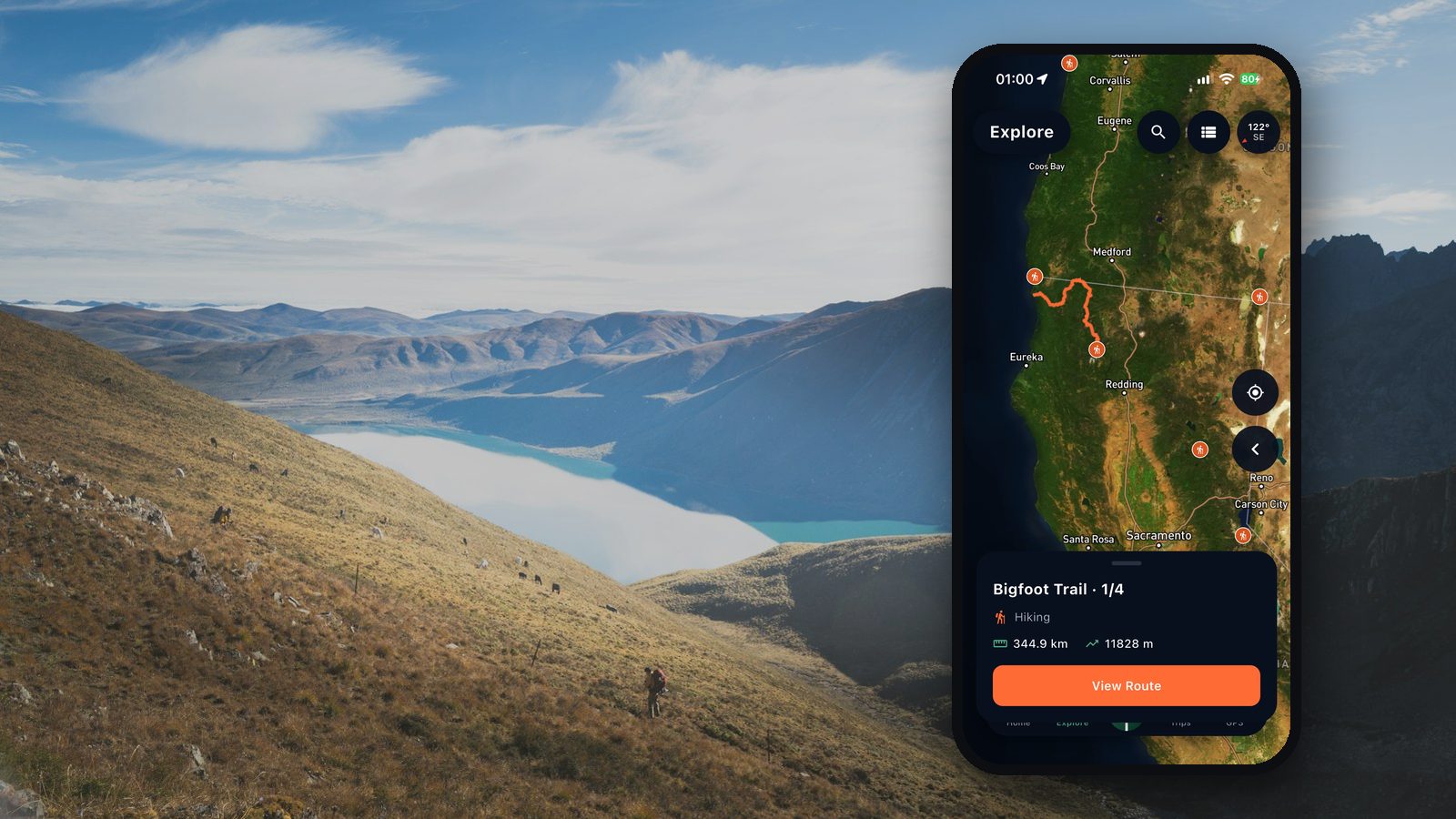
In Pathsie's trail library every trail shows its distance, climb, estimated time and weather; you can also draw your own route and share the plan with your group.
verifiedSources
This guide is based on the advice of these organisations.
- U.S. National Park Service — Hike Smartopen_in_new
- Naismith's rule (walking time)open_in_new
- Swiss Alpine Club hiking scale (T1–T6)open_in_new
- U.S. National Park Service — Ten Essentialsopen_in_new
This guide is general information, not a substitute for training. Learn these skills on a course or with an experienced guide before relying on them.