How to organise a group trip
Choosing the route, sharing the gear, agreeing on costs and keeping everyone together: a simple plan for trips with friends.
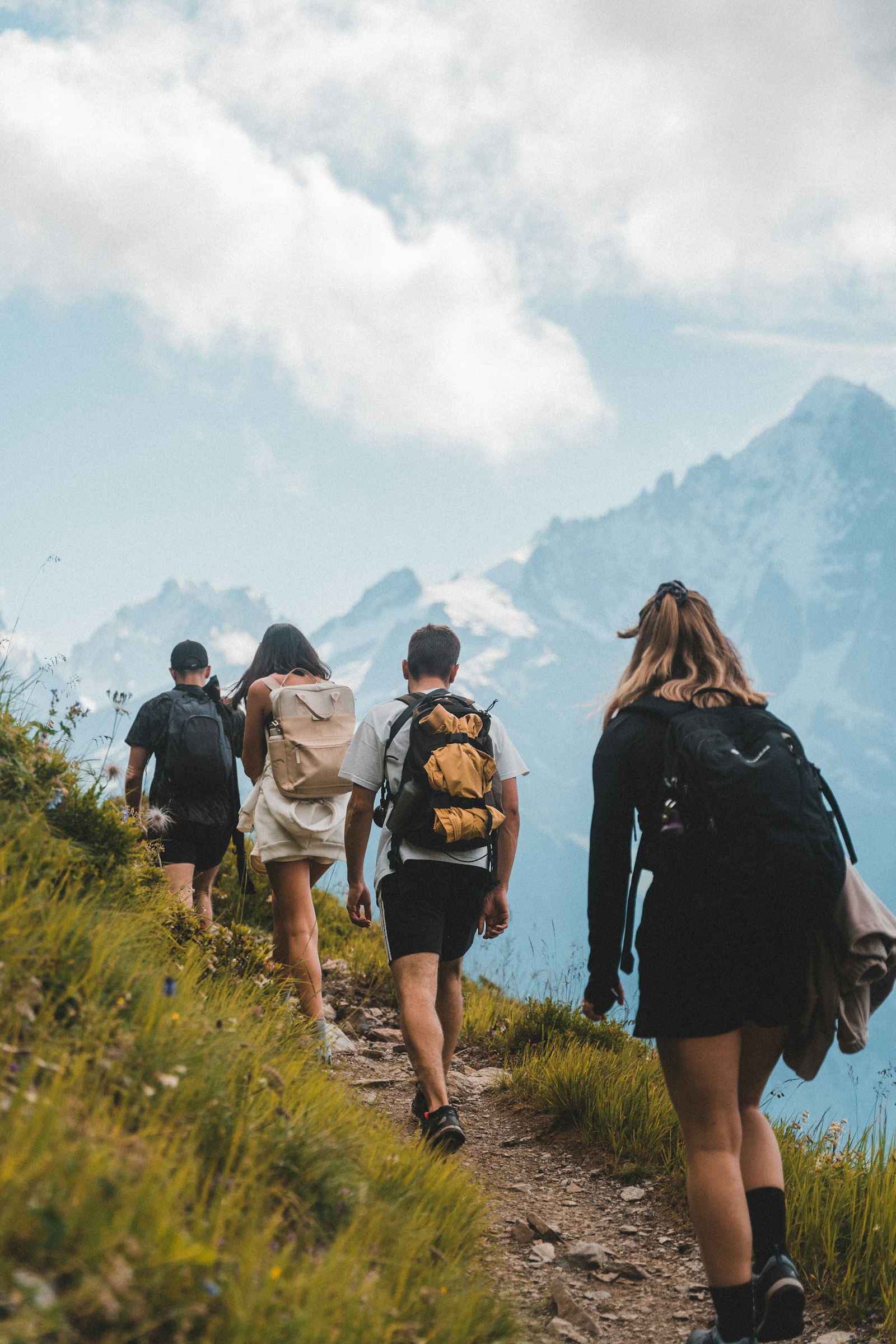
Group trips are the best kind, and the most likely to go wrong in small ways: someone forgets the stove, nobody knows who paid for fuel, the fast ones are an hour ahead. A little organisation before the day avoids almost all of it.
Agree on the plan early
- check_circlePick a route that suits the least experienced person in the group.
- check_circleSet a date and a plan B for bad weather, so nobody is surprised if it changes.
- check_circleShare the route, the distance, the climb and the expected time with everyone before they say yes.
Share the gear
Make one list of what the group needs and who brings it: tent, stove, fuel, first aid kit, water filter. Shared items save weight, but only if someone is responsible for each one.
Sort out money before you go
Agree on how you share transport, fuel, huts and food. Keep track of who paid for what during the trip and settle up at the end, so nobody quietly covers more than their share.
Meeting point and timing
- check_circleFix a meeting point and a time that leaves enough daylight for the route.
- check_circleShare a phone number or group chat for last-minute changes.
- check_circleAgree on the turnaround time before you start walking.
On the trail
- check_circleWalk at the pace of the slowest person; put them near the front so they set it.
- check_circleChoose someone to lead and an experienced person to walk last, so nobody falls behind unseen.
- check_circleStop and regroup at every junction and before any difficult section.
- check_circleCount heads after breaks and at the end of the day.
- check_circleMake decisions together, and turn back if one person is not comfortable continuing.
Safety for everyone
- check_circleKnow if anyone has a medical condition, an allergy or carries medication, and where they keep it.
- check_circleLeave the plan and return time with someone at home.
- check_circleMake sure at least two people can navigate and know the emergency number.
Large groups have a bigger impact on paths, campsites and wildlife. Keep groups small where you can, stay on the trail and camp on durable ground.

A Pathsie trip keeps it all in one place: invitations, group chat, a shared checklist, meal plan, expense splitting and live location for the day itself.
verifiedSources
This guide is based on the advice of these organisations.
- U.S. National Park Service — Hike Smartopen_in_new
- Leave No Trace — The 7 Principlesopen_in_new
- AdventureSmart UKopen_in_new
This guide is general information, not a substitute for training. Learn these skills on a course or with an experienced guide before relying on them.